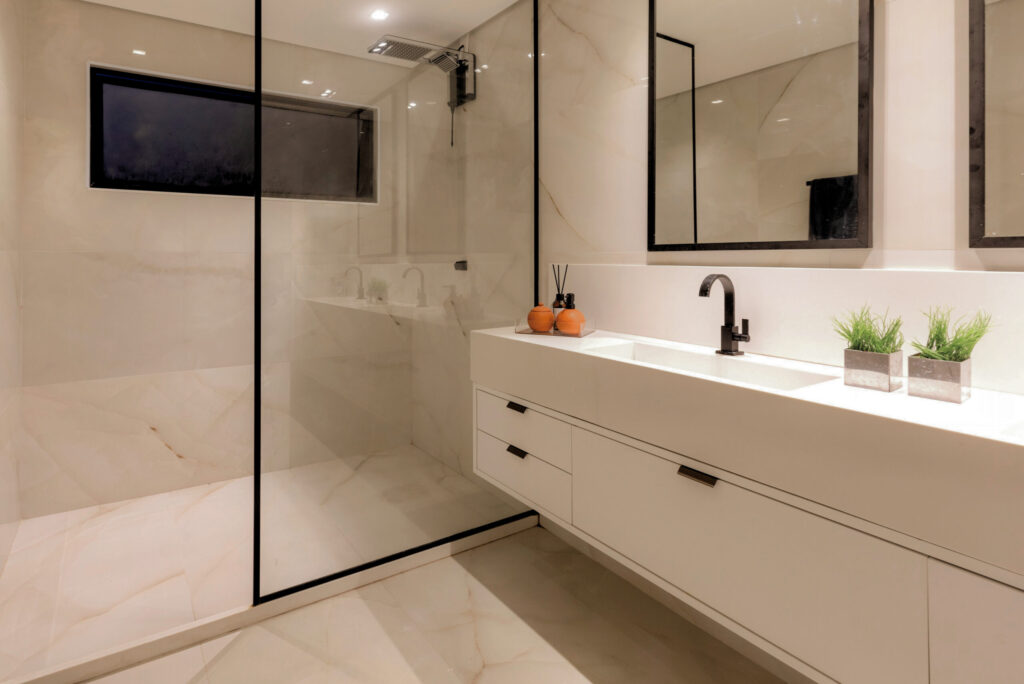
How to choose the perfect Flooring for your Bathroom
A Practical Guide
With so much scattered advice on bathroom flooring, it can be tough to pinpoint exactly what you need for your bathroom. This guide brings all the information together in one place to help you make the choice that is right for you and your space. So if you’re ready, let’s get started!
We will follow four easy steps:
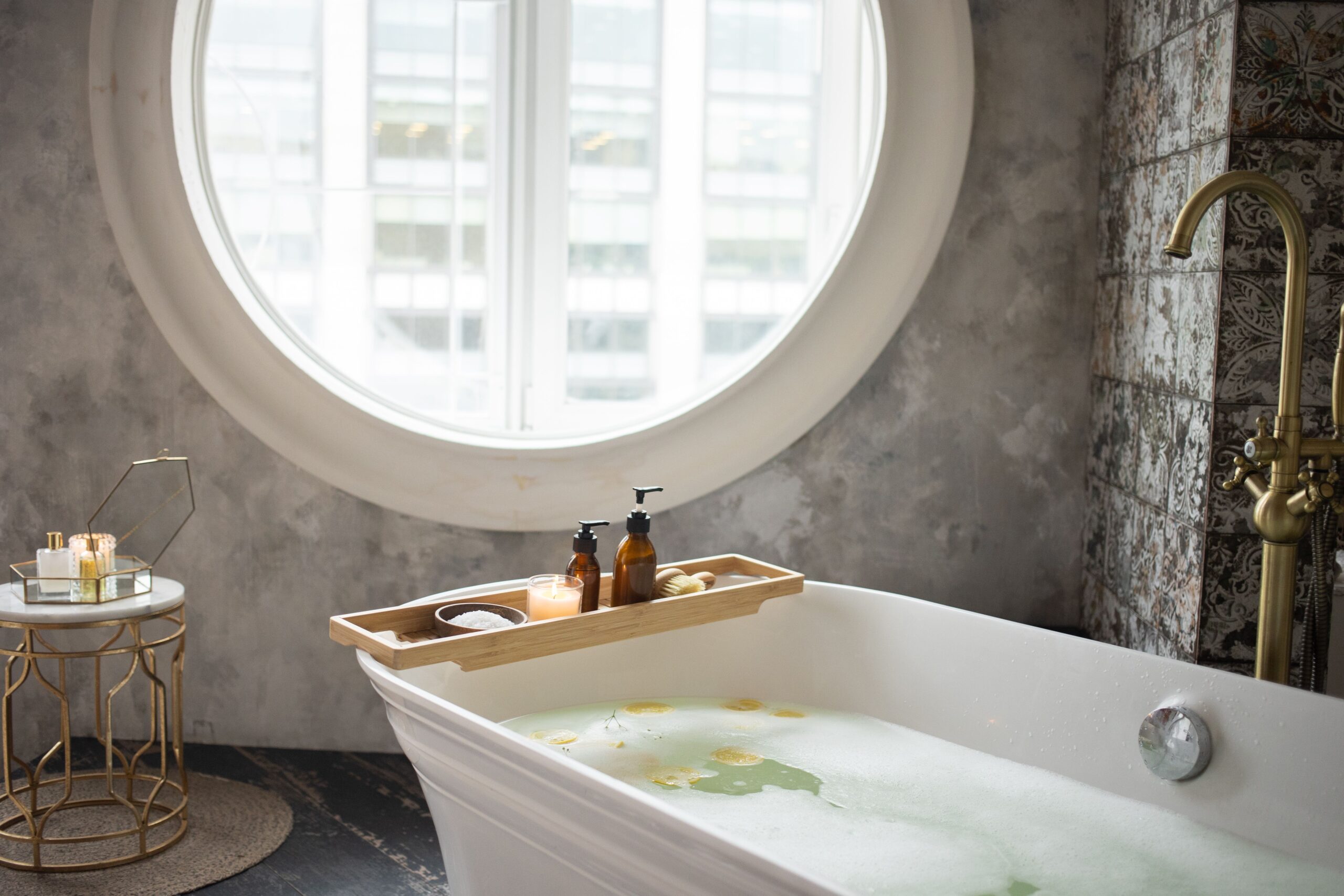
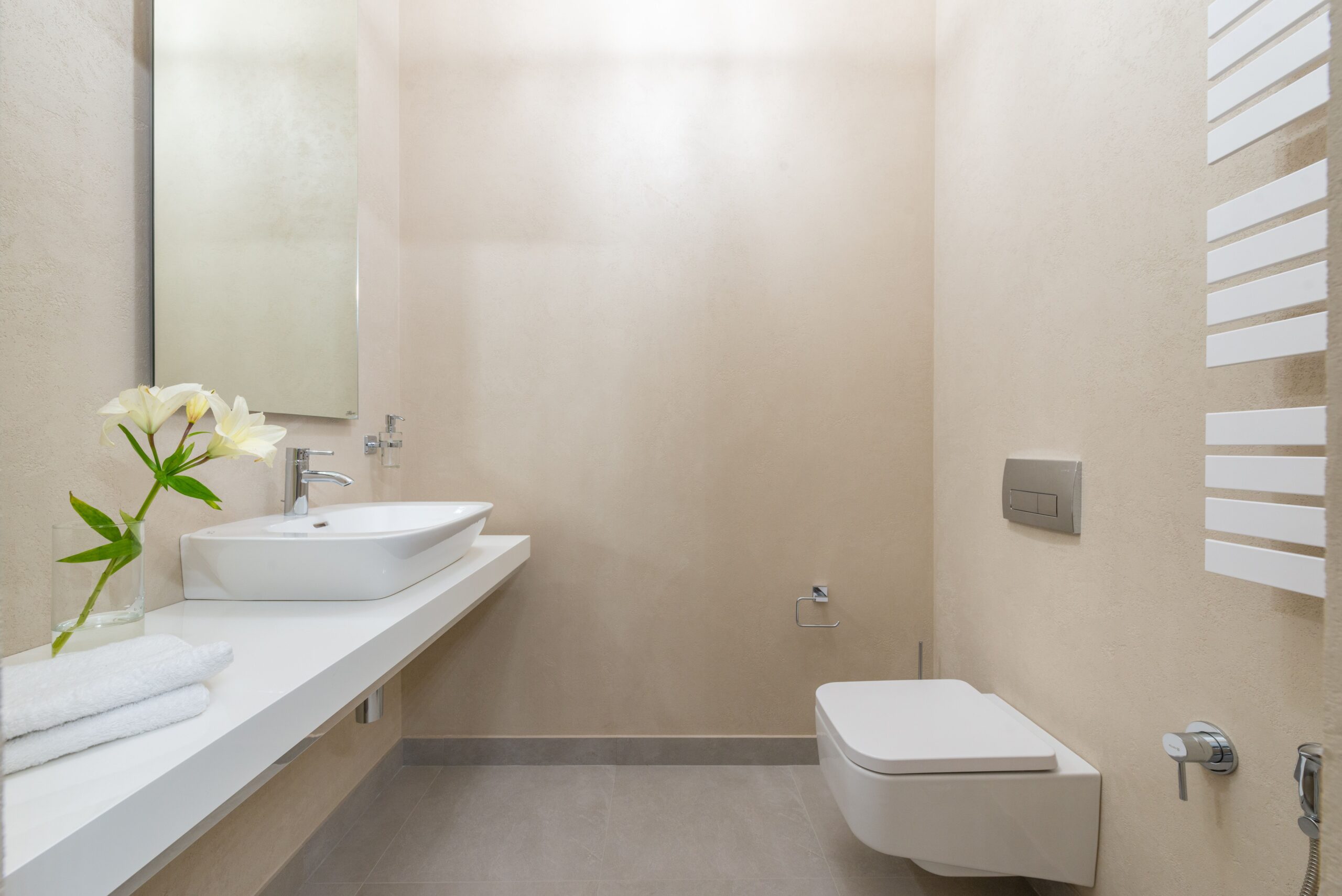
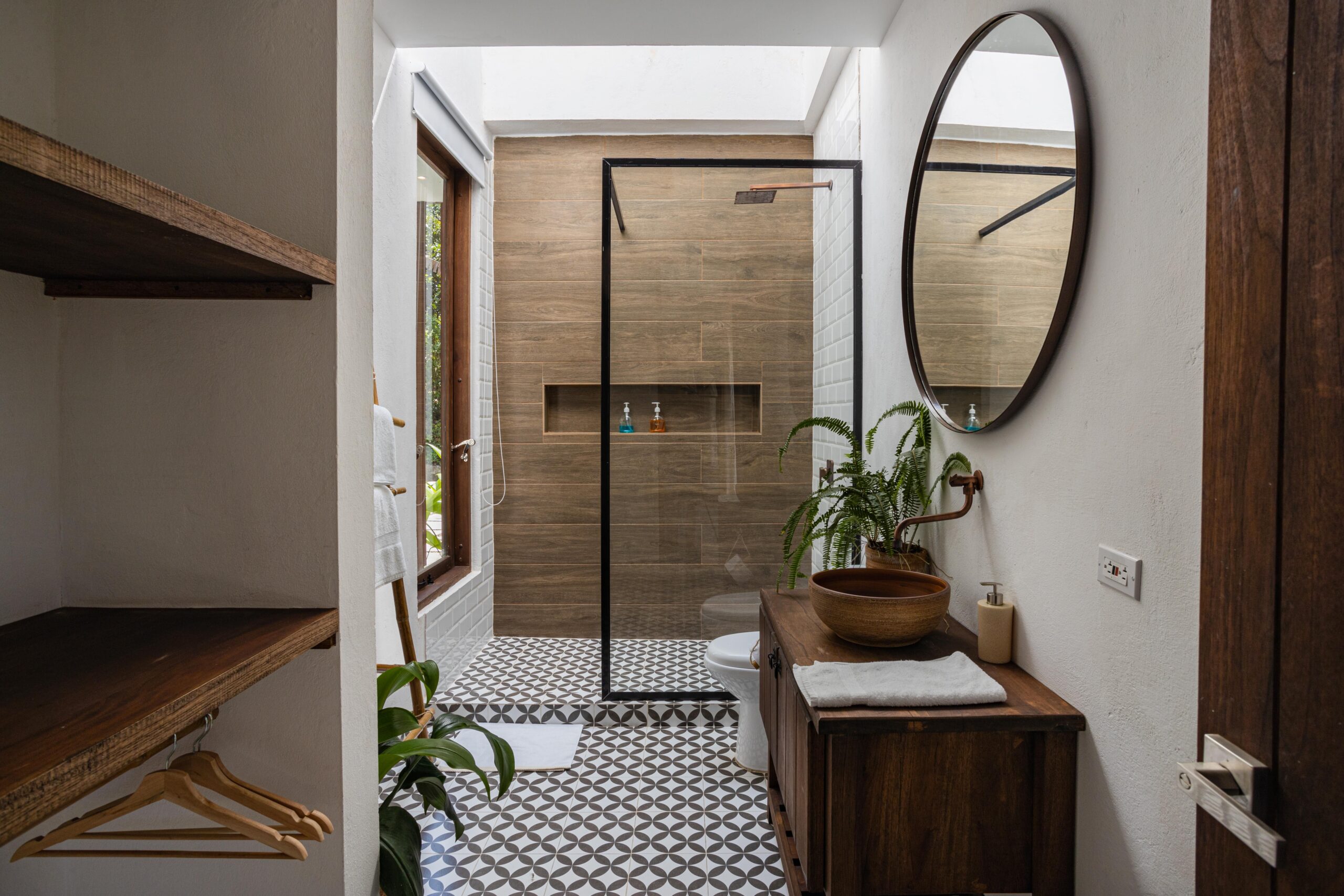
FUNCTION
Before we decide on anything else, we must first consider what functionalities we would like our flooring to offer us.
Avoiding this step is usually the reason people end up regretting their selection.
Make sure the flooring you choose is not slippery.
This is one that EVERY person here MUST take into account.
Non-slippery flooring is usually anything with a matte or textured finish. Options that require a lot of grout lines are also great because the extra grout provides added friction. You may also want to consider anti-slip sealers for that extra protection.
The best way to find out if flooring has good non-slip qualities is by checking its DCOF rating. Aim for a rating of 0.42 or higher.
Do you want flooring that is low maintenance?
If you want a low maintenance bathroom, I would suggest to stay away from matte black tile or anything that requires a lot of grout. So, penny tile, pebble stone flooring, or anything too small would be an automatic no for you.
Do you prioritize durability?
If this is you, consider selecting porcelain tile as it is by far the most durable flooring there is for bathrooms.
Do you want a timeless look?
If one of your priorities is to have a timeless look then I would stay away from trendy selections. Anything that is too bold in color, shape, or pattern may feel outdated in the years to come. Instead, choose flooring that is durable and neutral.
Are you worried about how cold the flooring could get in the winter time?
If this is a concern, you can add a thermal underlayment during installation or install a heated floor system. Vinyl flooring is also naturally warmer underfoot than tile.
The above are only a few examples of some questions you can ask yourself.
Go ahead and list out any other functionalities you want your flooring to offer that will work with your lifestyle. These will be your non-negotiables. From now on, any flooring you look at will need to have the functionalities you listed. This will help narrow down your options.
SPACE
Our next step is to consider the space we’re working with.
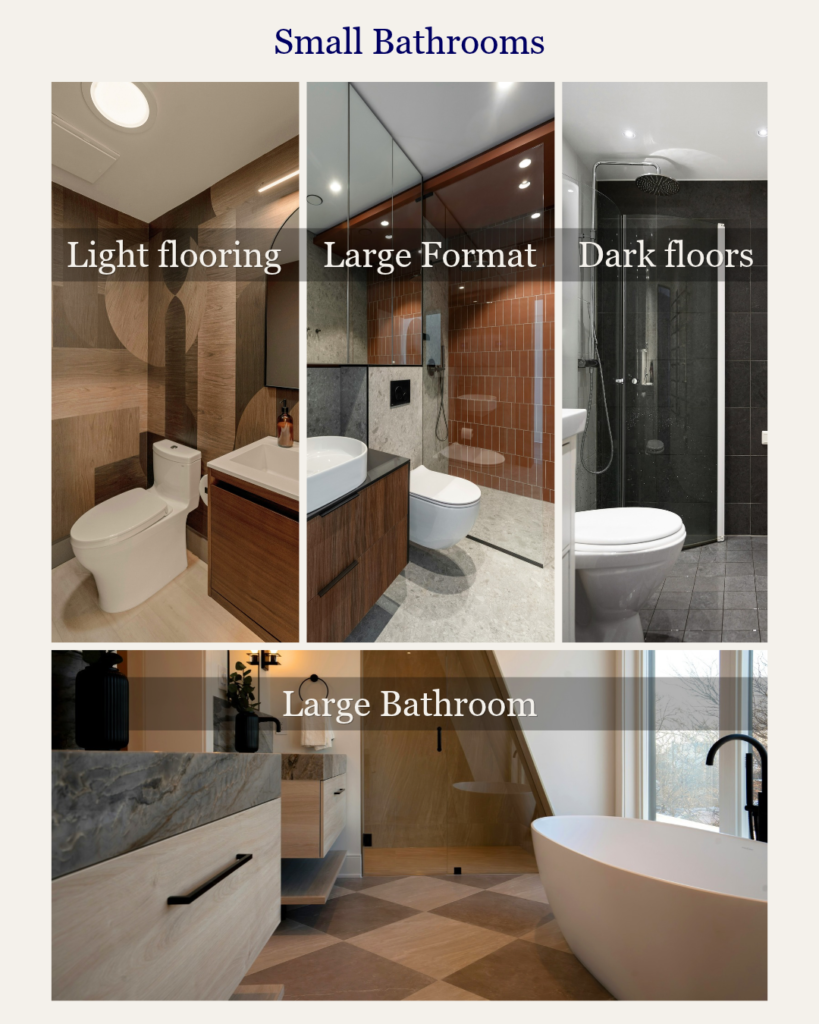
Small Bathroom?
The great thing about small bathrooms is that if you’re working with a tight budget, you’ll have more options available because you won’t need to buy as much tile.
If you want your small bathroom to look spacious, use:
1. Large format tiles
These tiles have significantly less grout lines. When flooring is continuous with no visual breaks, it makes the space feel more open.
2. Light Colors
Light colored flooring reflects more light which makes a room feel more spacious.
With that said, can you use dark colors? Absolutely. In a small space, you can lean into that cozy, moody feel by choosing a dark floor. Just keep in mind that some dark finishes can be higher maintenance.
Large Bathroom?
Large bathrooms can easily pull off almost any style, including bold patterns, without feeling overcrowded. Bear in mind that if you are working with a tight budget, your options do shrink but that’s not necessarily a bad thing. It just means you have to plan strategically and focus on the cost per square foot. Remember, money doesn’t buy good taste.
After evaluating your space, we can move on to our next step.
DIMENSIONS
Here is where we start taking action to ensure we purchase enough flooring.
If you’re working with a tile contractor, they will usually handle these measurements for you. If you already know the square footage of your bathroom, feel free to skip ahead. Otherwise, stick around.
How to Find Your Bathroom’s Square Footage
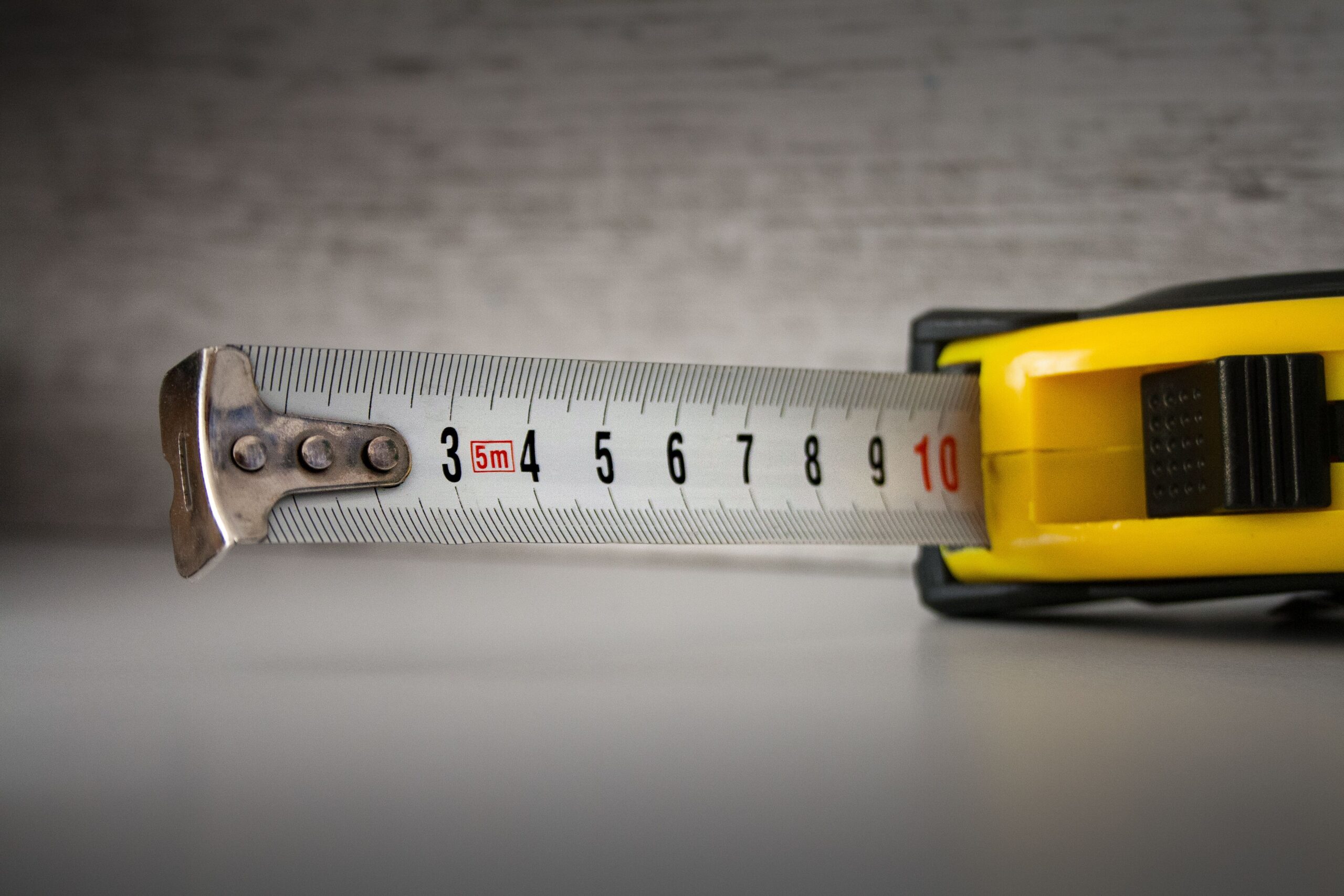
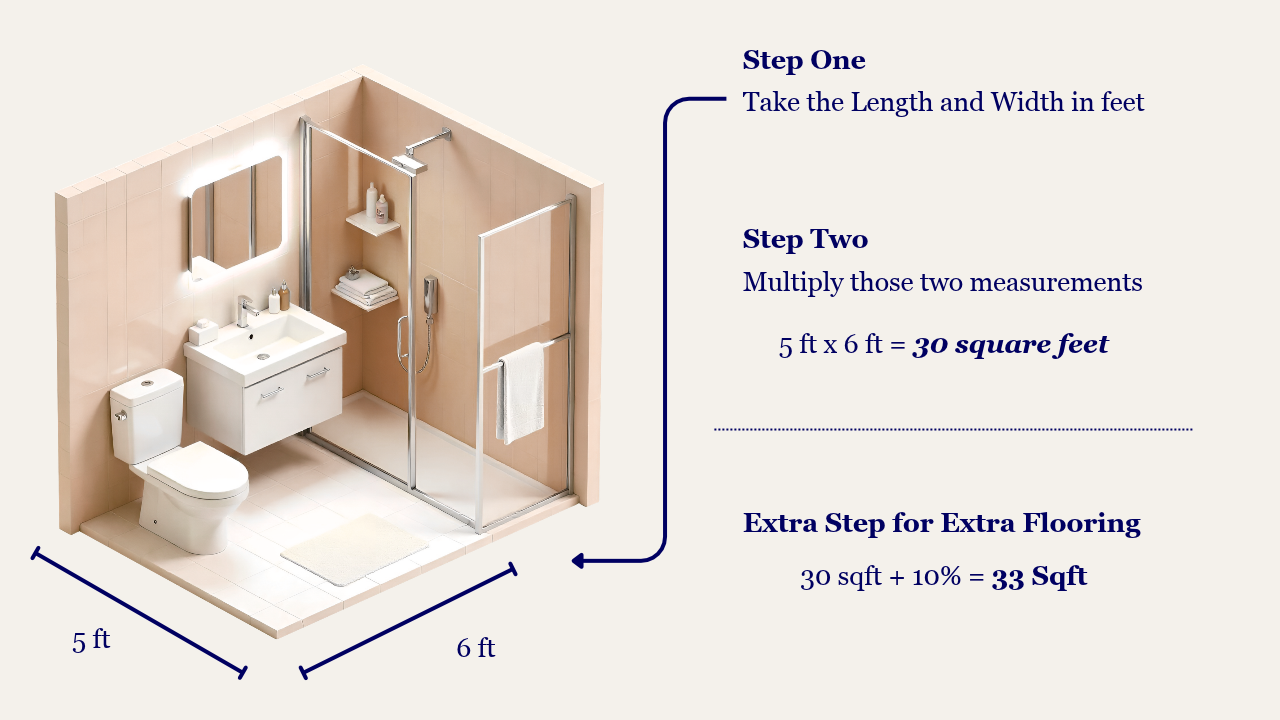
Measure the length and width of your room in feet.
Pro tip: Don’t stress over exact fractions, but always round UP to the nearest foot.
Multiply those two numbers together.
Pro tip: Write this number down! This is your base square footage, which tells you how much tile or vinyl to buy.
Before you head to the store, add 10% to 20% to your total purchase. This extra amount covers cutting waste during installation and protects against damaged pieces. You can always return unused, unopened boxes or keep a few tiles for future repairs.
Most retailers sell tile and vinyl by the box, which will clearly list the square footage each box covers. Other stores sell flooring by individual pieces, so you will just need to check the coverage per single tile.
For visual clarification, take a look at the graphic below.
As we move on to our most exciting and final step, keep the dimensions of your room in mind. Maybe calculate how much you are willing to spend per square foot before deciding on a style. This will help narrow down your options further.
Style
Style is our most exciting step. Use the guide below to help you decide.
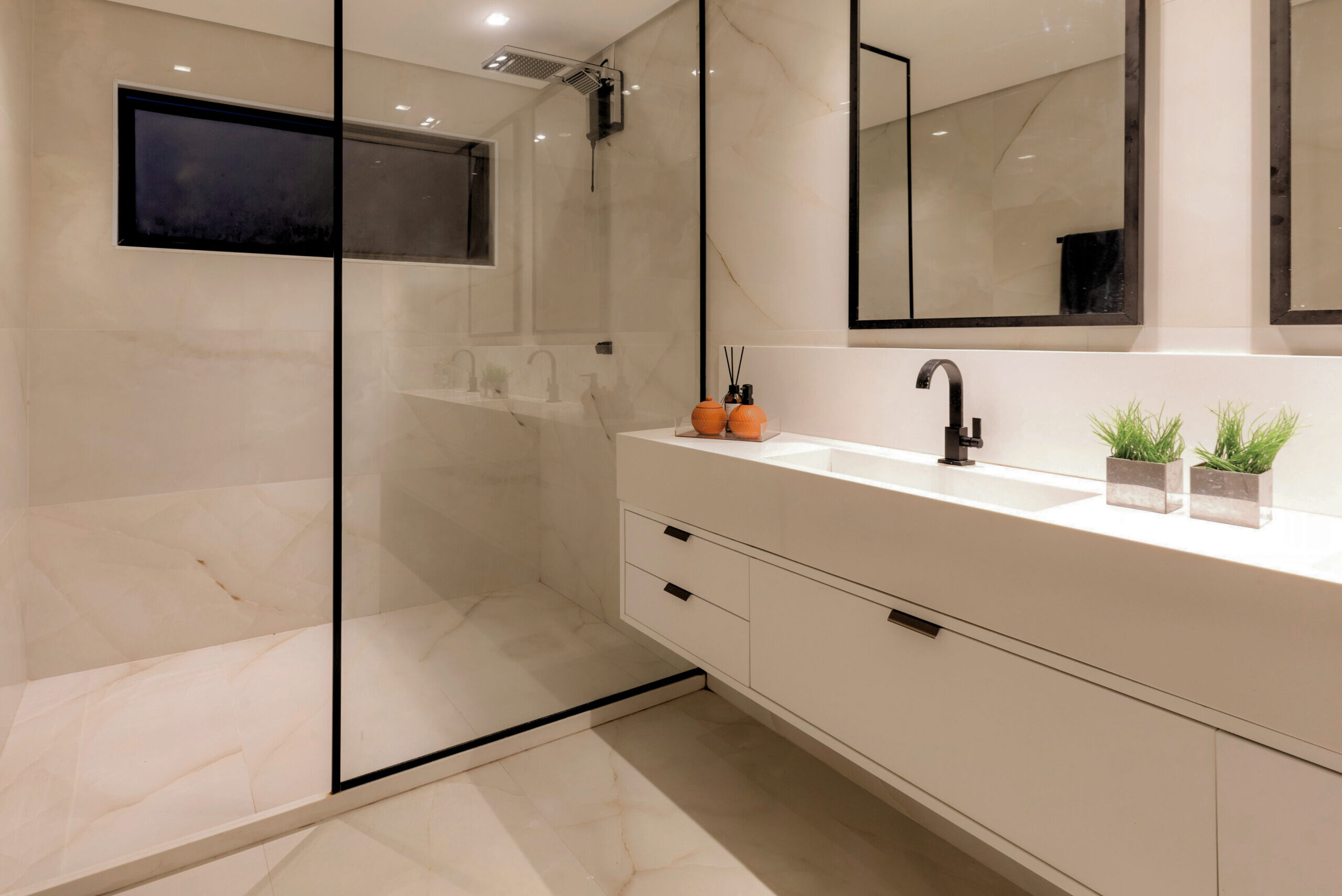
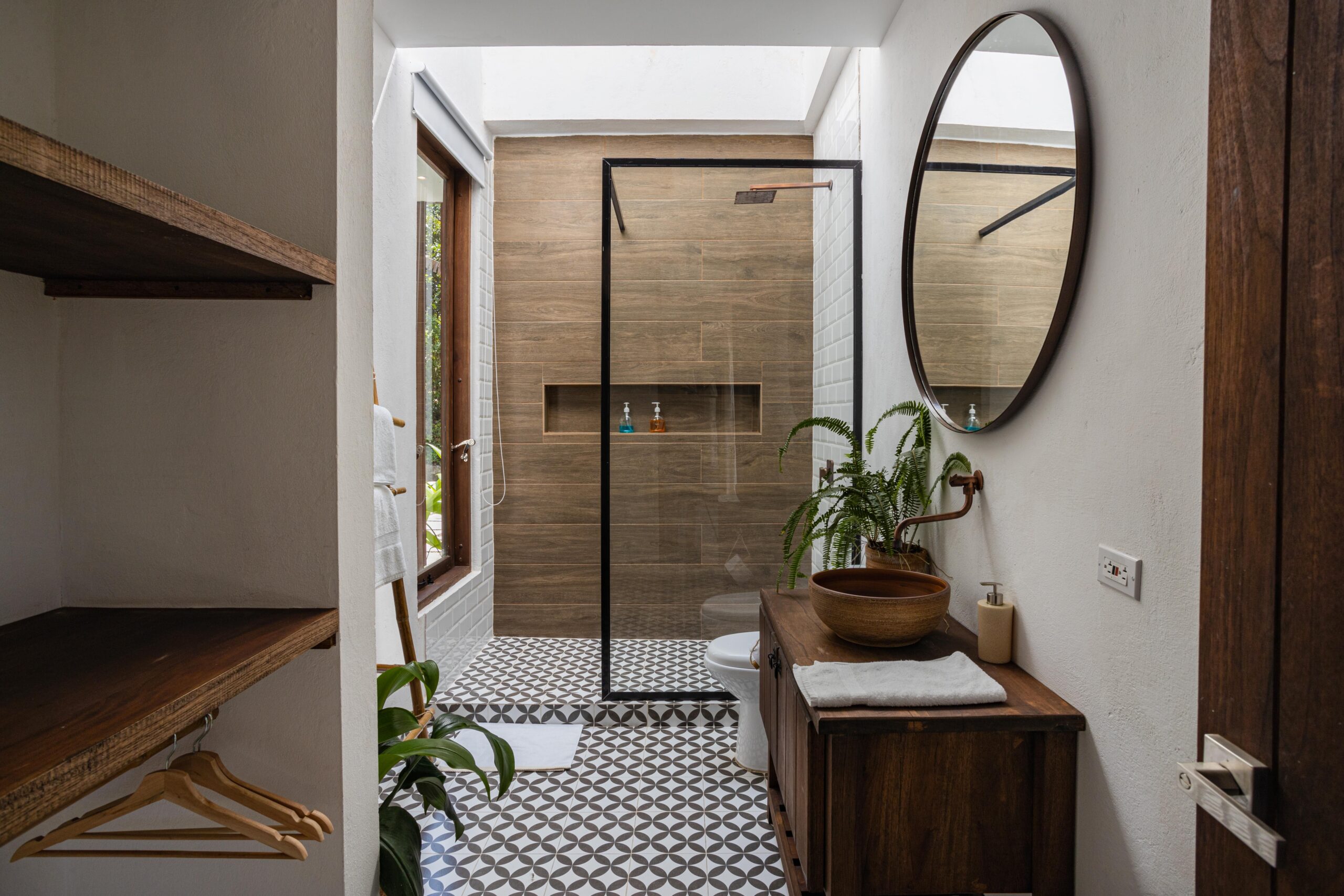
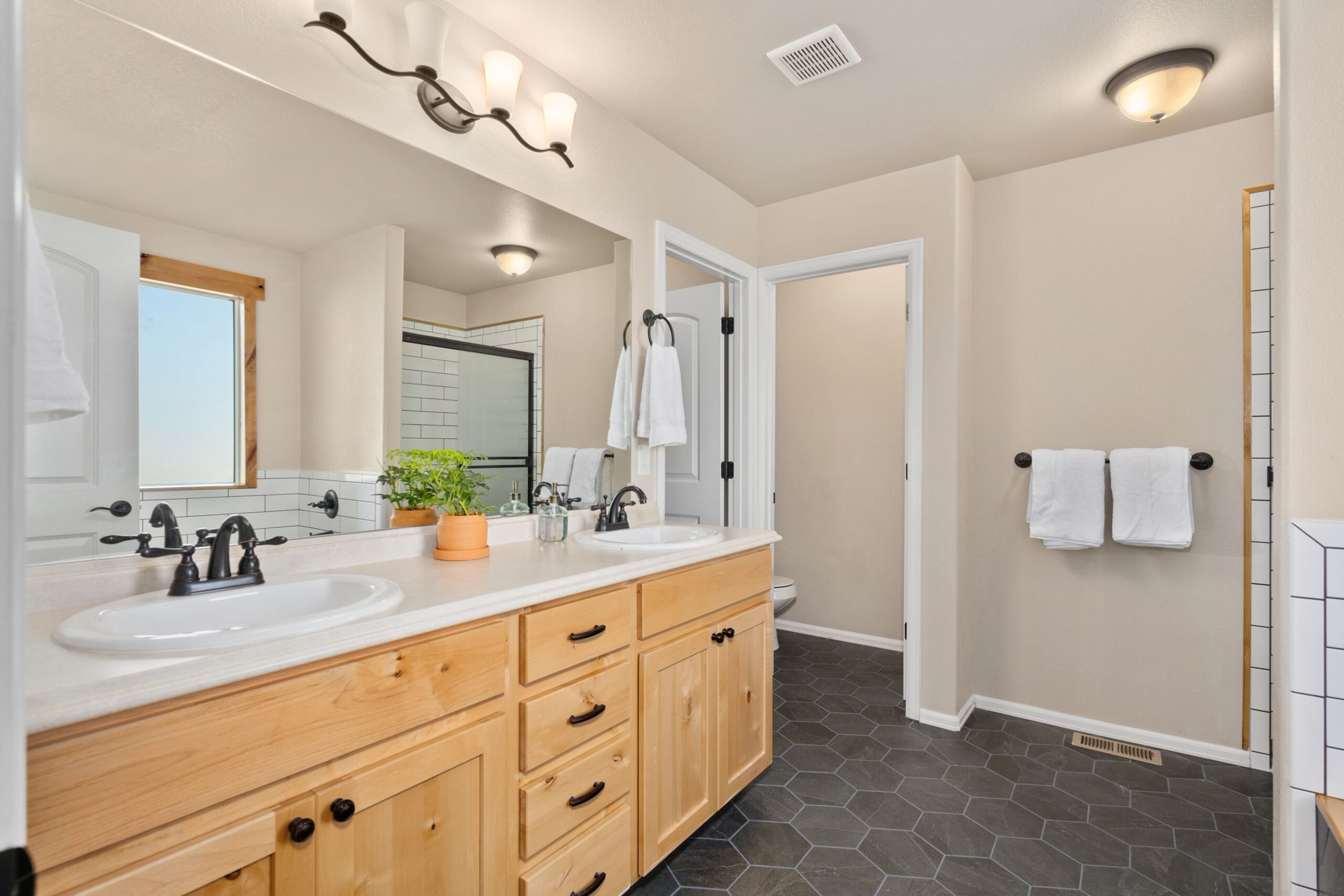
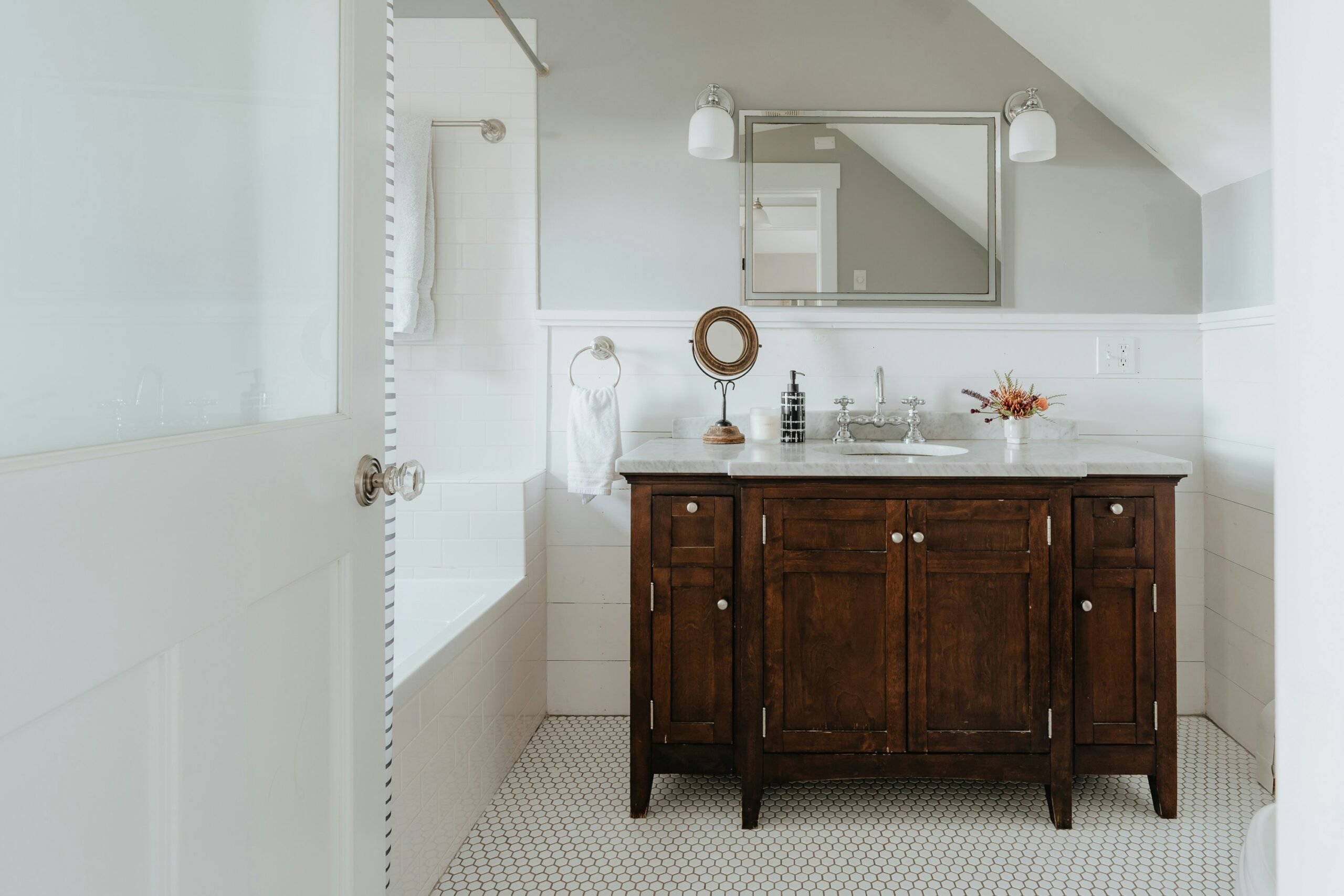
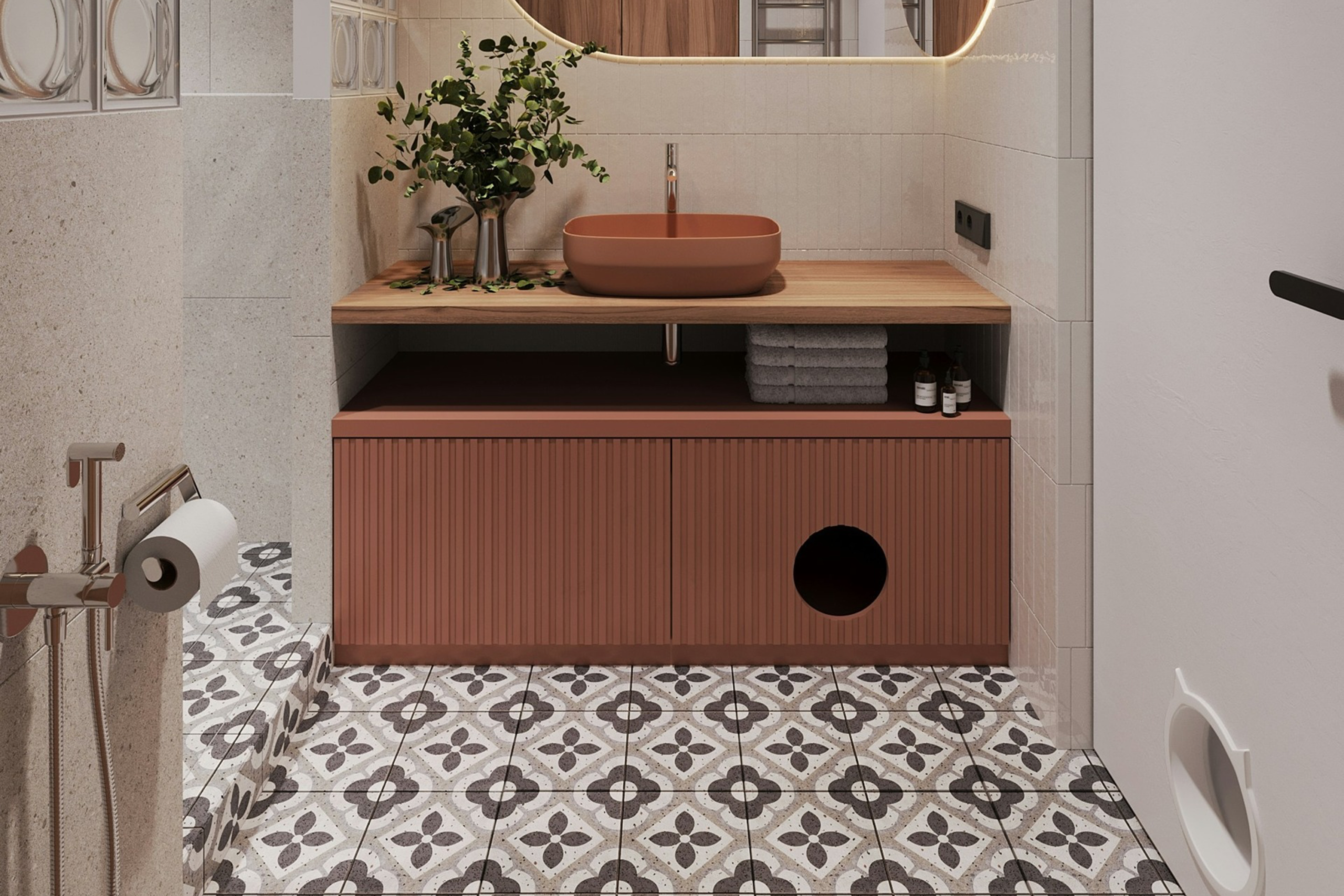
Flooring Used in Different Design Styles:


Base
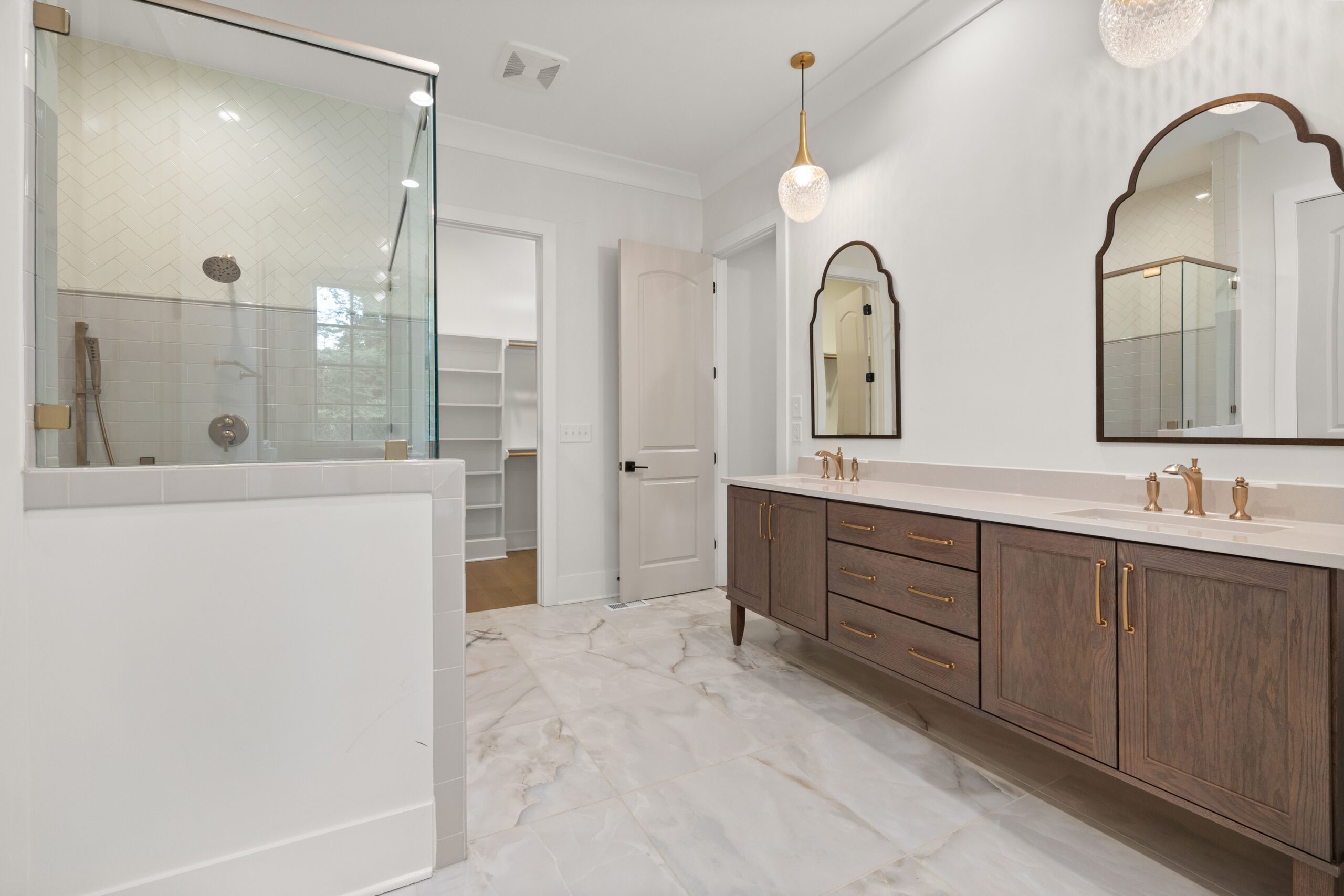
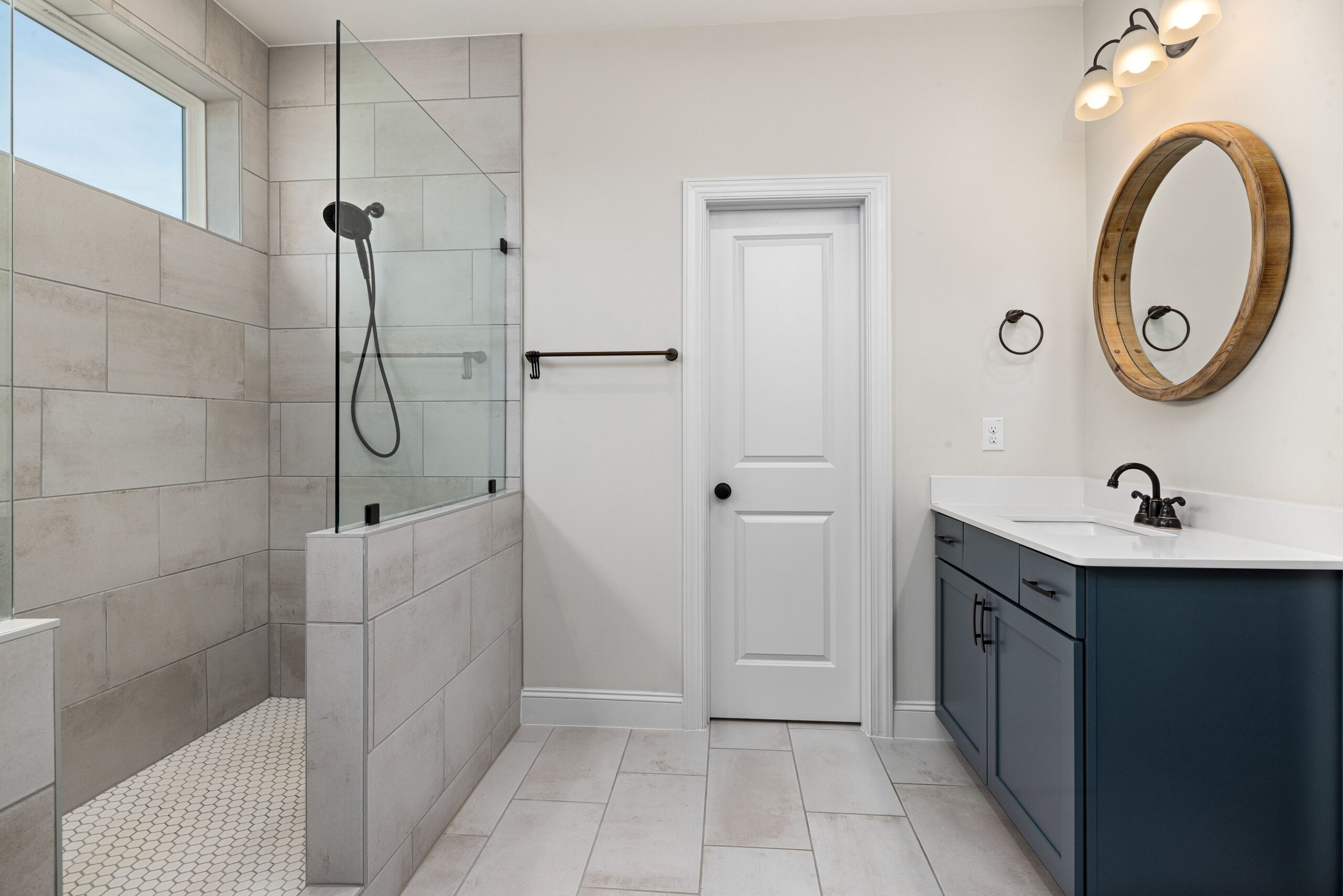
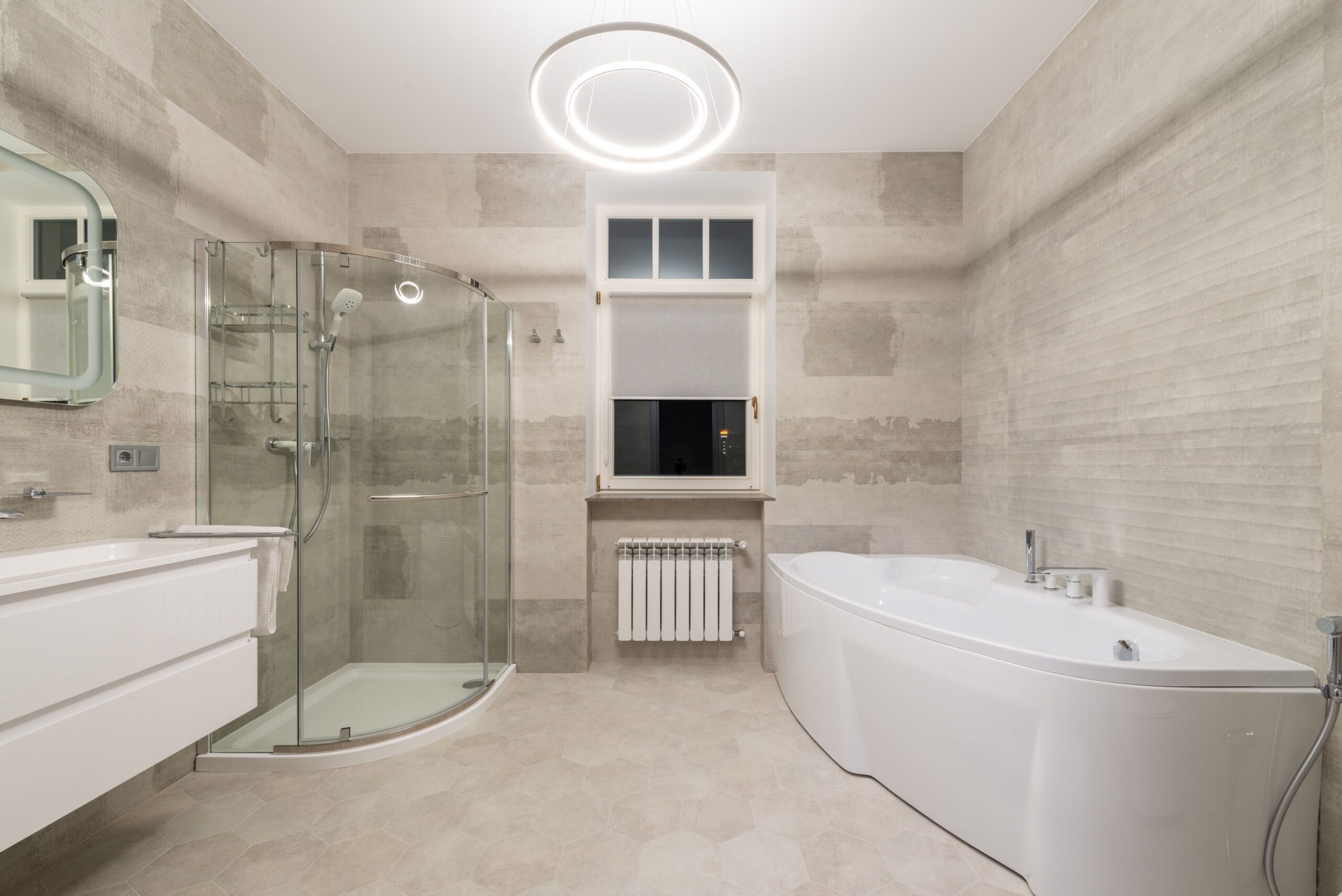
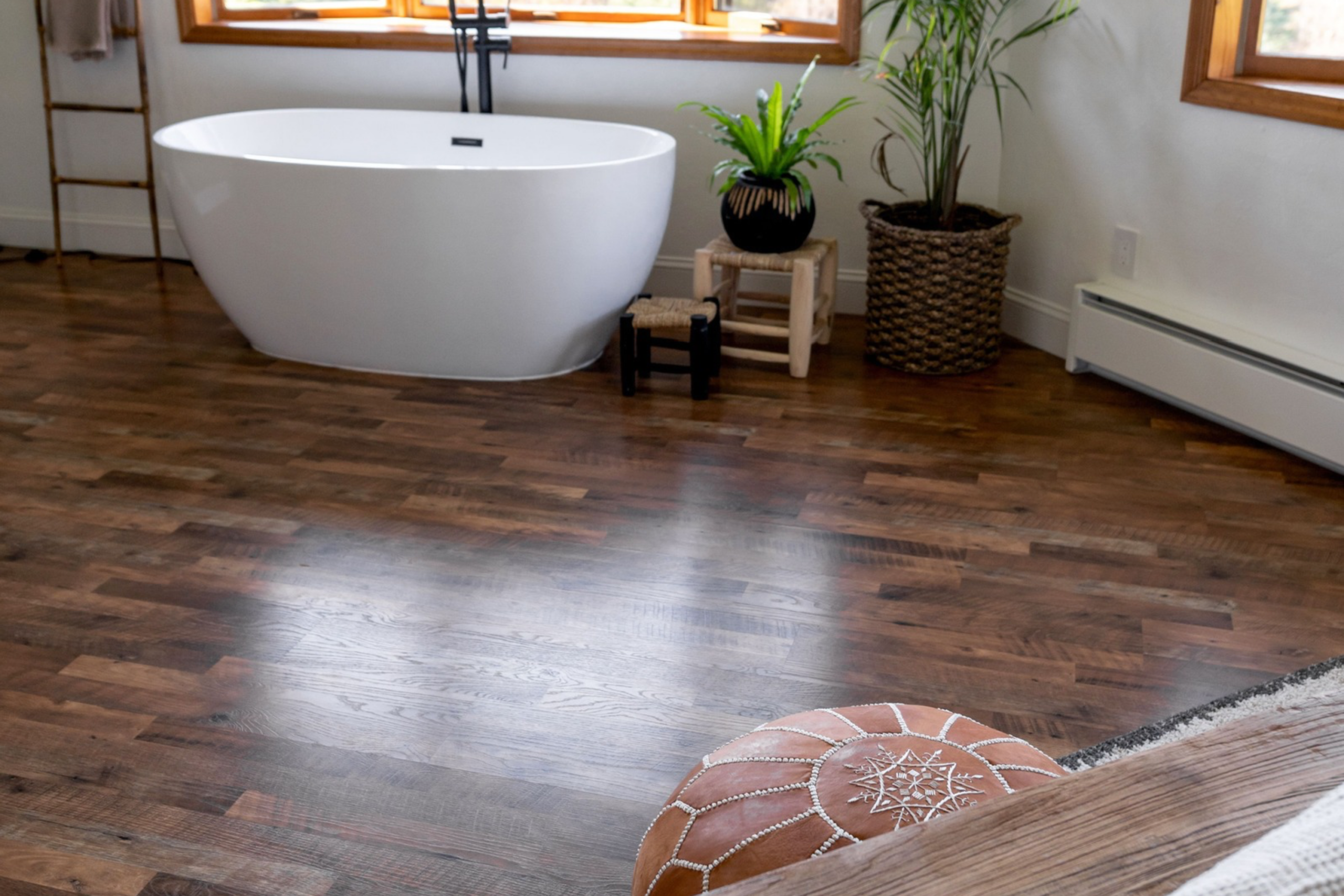
Overview Comparison Guide of Base Materials
|
Material
|
Durability
|
Maintenance Level
|
Affordability
|
|---|---|---|---|
While some materials offer limited finishes and colors, you still have a plethora of options to choose from. The trick is narrowing them down and I have two ways of doing that! We can filter by your specific design style, or by the color scheme you want to bring into your space. Don’t worry, I’ll walk you through each step.
Before we continue, I’d Like to preface by saying this:
There are no real rules to this; only guidelines. You are the only one who gets to decide what looks good in your space. If it makes you happy, go for it.
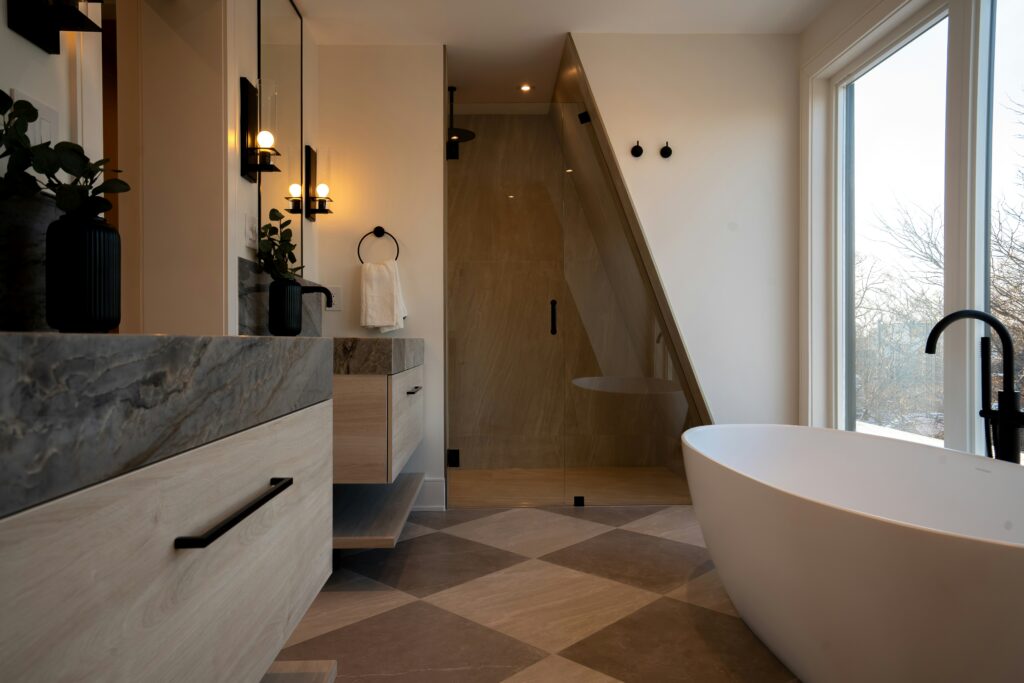
If you already know your style:
Use the Design Styles Tab: Check out the “Design Styles” tab to see which colors, finishes, and patterns naturally fit your look.
If your style isn’t represented there, Pinterest is a great resource to see what others are doing with their spaces and chosen design styles.
If you love a blend of multiple styles:
Identify common elements: Most spaces blend two to three styles, so you’re definitely not alone in this. Look for the details they have in common and use those shared features as your starting point.
For example, both Scandinavian and Bohemian styles love incorporating natural elements. If you want to combine the two in your bathroom, you could opt for a light toned flooring in a natural texture, like stone or a wood look finish.
If you aren’t sure how to categorize your style at all: Don’t worry. You don’t need a formal label to build a beautiful room. Let’s look at the “By Your Color Scheme” tab for a different way of narrowing down your options.

If you’re trying to figure out what finish, color, or pattern your flooring should be, chances are you don’t have a set color scheme for your bathroom yet. If that sounds like you, here are two ways to start:
Option One: Analyze Your Existing Space
Look at the colors that already exist in your room, like your walls, vanity, or fixtures. Jot those down. If they already look great together, use them as your guide. Picking a flooring color or finish that aligns with what you already have will make everything feel cohesive.
Option Two: Start From Scratch
What colors are you naturally drawn to? Write them down and pick three that look great together. A fun trick for finding colors that complement each other is looking at your favorite outfits and borrowing that same color palette for your bathroom.
Whichever option you choose, apply the 60/30/10 rule. Your palette should feature three colors used in a variety of shades and tones:
- 60% (Dominant Color): Traditionally used for large surfaces and major furniture
- 30% (Secondary Color): Traditionally used for secondary furniture and textiles
- 10% (Accent Color): Traditionally used for decor items and hardware
Here are some color pallet inspos:
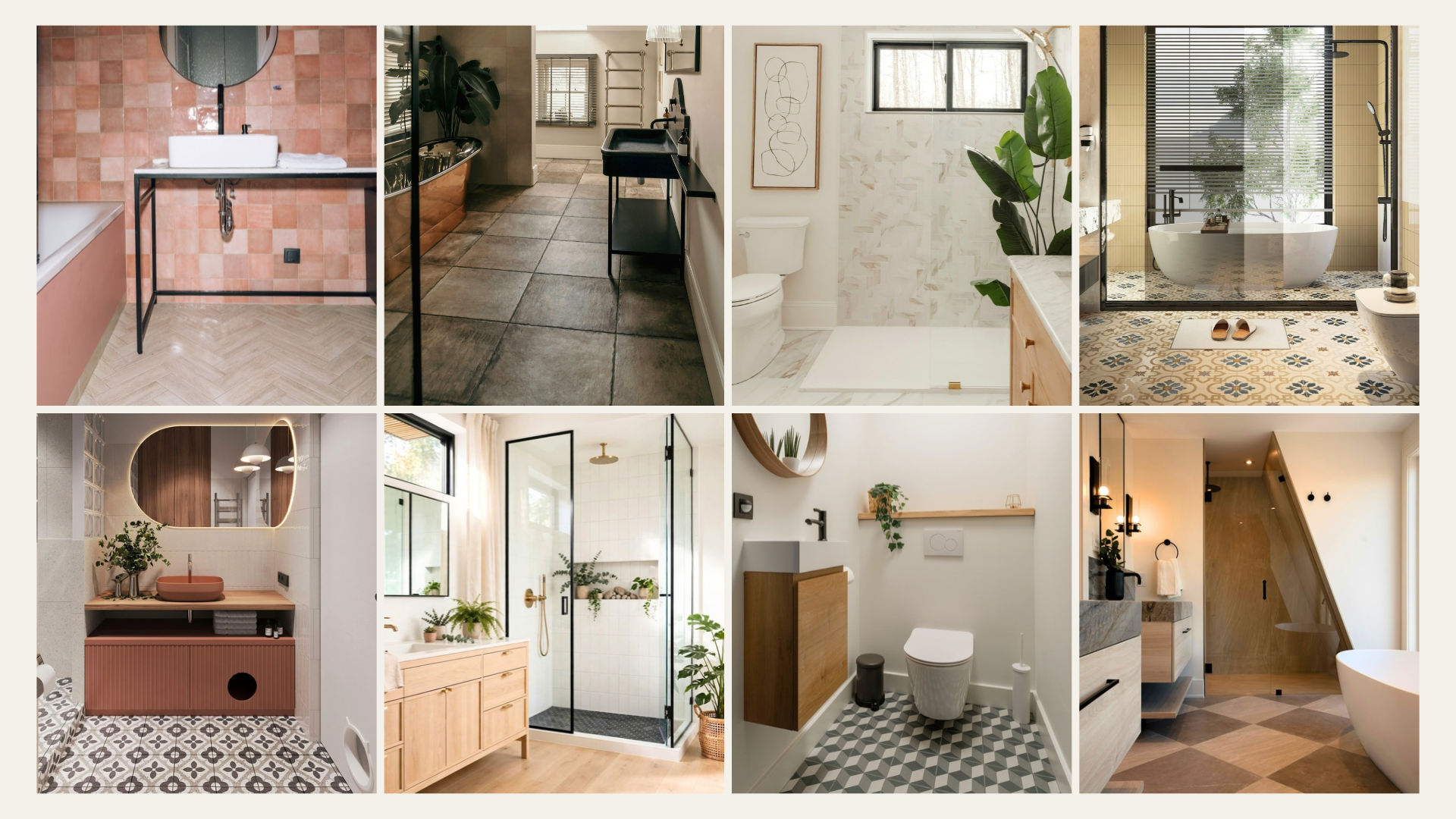
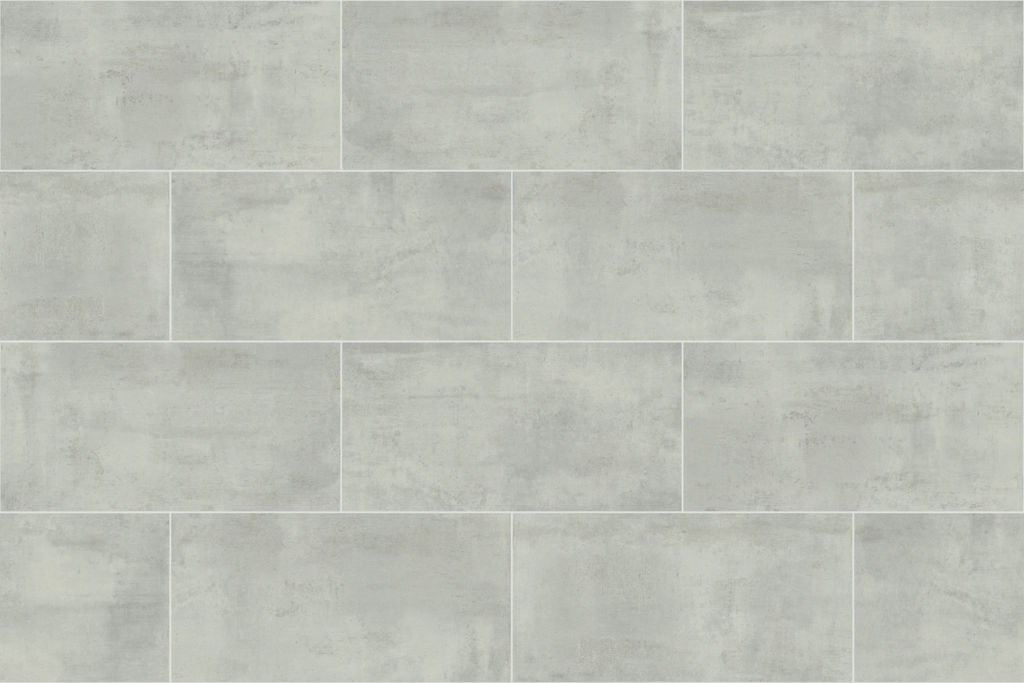

Mosaic tiles are small tile pieces pre-arranged on a flexible sheet, available in a wide variety of shapes, patterns, and colors. Penny tile and pebble stone are among the most popular mosaic options for bathroom floors.

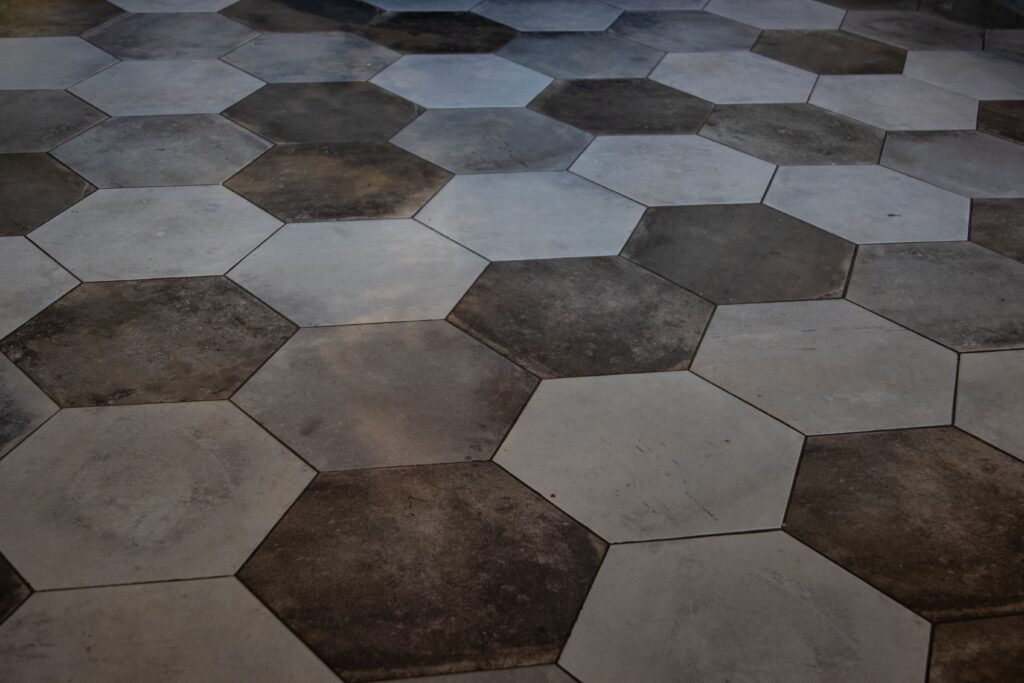
This consists of hexagons, pentagons, stars, triangles, diamonds, etc.
Small tiles would be any mosaics, 4×4, 2×6, etc.
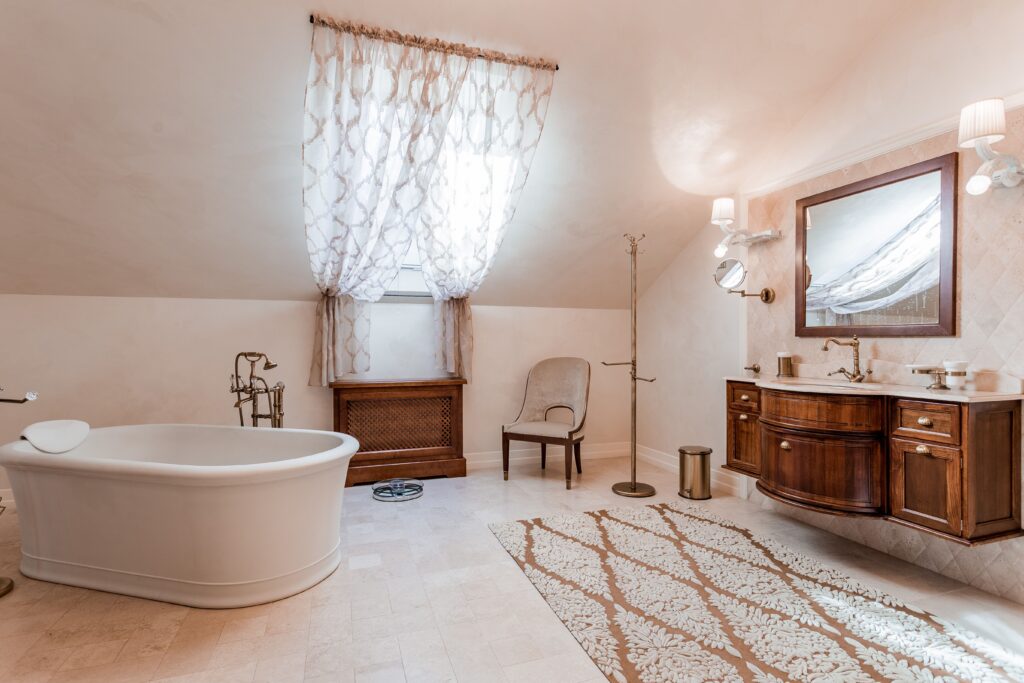
Medium sized tiles are very typical. These would be tiles like 12×12 and 12×24.
Large format tiles would be anything like 24×48 and larger.